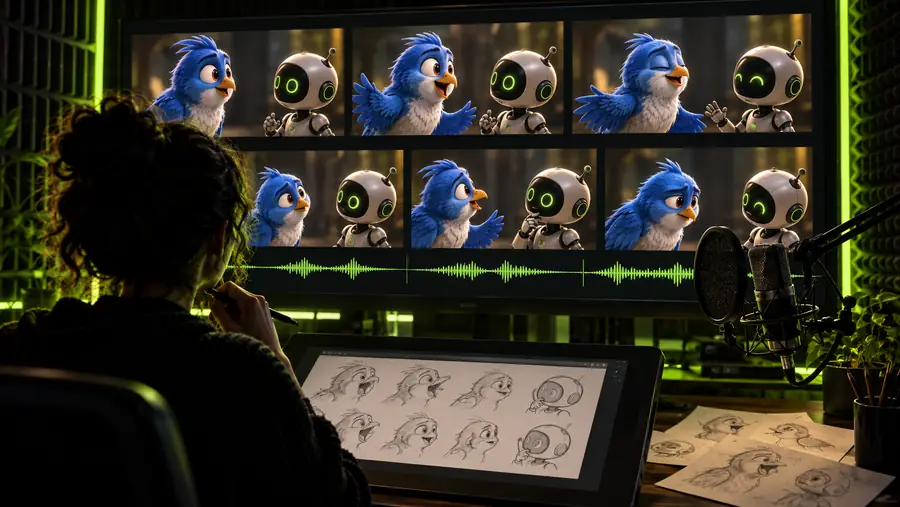
Animation workflow

Build Better Character Performance with Lip Sync for Animation

This page explains lip-sync concepts. The linked Vidione home page offers paid talking-avatar generation from a script, person portrait, and voice; enter those on Vidione after signing in. It does not promise source-video dubbing, singing videos, or reference-motion control. Browser timeline editing does not require a subscription, but AI generation does.

Lip sync for animation helps connect a recorded voice track with visible mouth movement, so your character performance is easier to review, refine, and carry into the next production stage.

Link only. Nothing written or selected here is sent to the destination.

Open Vidione
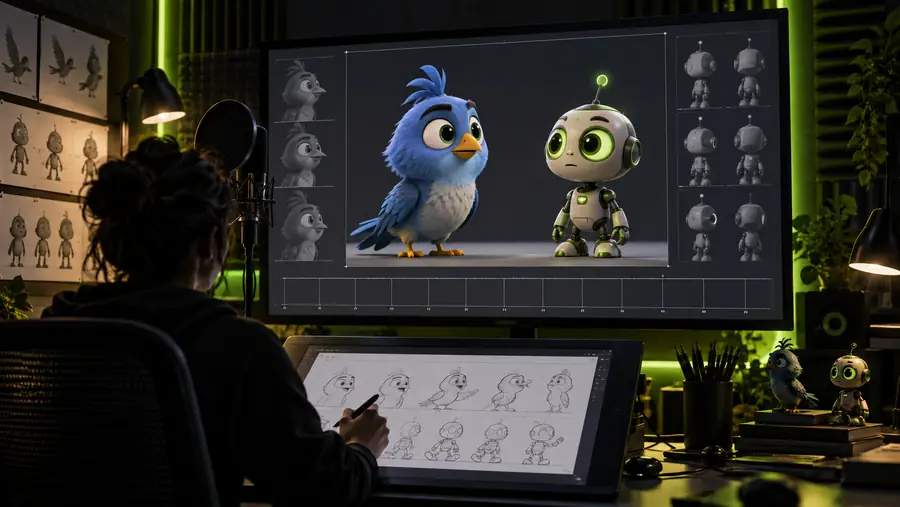
Animated character scene prepared for a lip sync workflow

Where this fits around the pipeline

Use these related guides to move from animation planning to publishing without losing the dialogue context.

What this route cannot do

A useful animation handoff depends on clear inputs and a realistic review loop. These limits keep expectations grounded.

  • It cannot replace character animation direction

    A mouth pass does not decide acting choices, pose changes, eye direction, timing of gestures, or the emotional intent of a scene.

    WorkaroundDefine the character's delivery, expression, and body-language beats before requesting the lip sync pass.

  • It cannot repair a weak recording completely

    Room echo, overlapping speakers, heavy noise, clipped audio, and unclear pronunciation can make mouth timing difficult to judge.

    WorkaroundUse the cleanest isolated dialogue track available and mark uncertain words for manual review.

  • It cannot guarantee a finished broadcast master

    A lip sync pass is one part of production and does not cover compositing, color, sound mix, captions, or delivery approval.

    WorkaroundTreat the result as an animation-stage deliverable and keep your normal finishing checklist.

  • It cannot infer every stylized mouth design

    Highly abstract characters, unusual phoneme shapes, masks, profiles, and occluded faces may need artistic adjustment.

    WorkaroundSupply a clear character reference and reserve a cleanup pass for intentional design choices.

The audience's existing pipeline

The handoff works best when it follows the same three-part rhythm already used by most character animation teams.

  1. 1

    Prepare the scene context

    Collect the dialogue track, character reference, shot or frame context, and any notes about accent, expression, pacing, or intentional stylization.

  2. 2

    Generate a reviewable mouth pass

    Use the brief to create a dialogue-aligned pass that can be checked against the audio before deeper keyframing, cleanup, or compositing.

  3. 3

    Refine and hand off

    Mark mismatches, adjust artistic exceptions, then send the approved timing and reference material into the next animation or editorial stage.

Deliverable spec

This side-by-side view separates a useful animation handoff from a finished production master.

1

Primary purpose

Animation lip sync pass

Validate dialogue timing and visible mouth movement

Finished animation master

Present the approved scene to an audience

2

Required inputs

Animation lip sync pass

Dialogue audio, character reference, and shot context

Finished animation master

Approved animation, compositing, sound, and delivery settings

3

Review focus

Animation lip sync pass

Phoneme timing, readable articulation, and continuity

Finished animation master

Performance, pacing, picture lock, mix, and final polish

4

Expected revisions

Animation lip sync pass

Timing notes and mouth-shape cleanup

Finished animation master

Editorial, visual-effects, sound, caption, and approval changes

5

Best pipeline position

Animation lip sync pass

Early or middle animation review

Finished animation master

Late finishing and distribution preparation

6

What it proves

Animation lip sync pass

The character visibly follows the intended dialogue

Finished animation master

The complete scene is ready for its chosen destination

Before and after the mouth pass

The comparison is about production readiness, not a promise that every character needs the same final treatment.

  • Before: reference scene
  • After: aligned animation pass

Use the divider to inspect the change from a static reference to a dialogue-led performance.

Character scene before dialogue-aligned mouth movement
Character scene after a lip sync animation pass

A compact handoff has three essentials

Keep the request concrete by naming the core items the animation team will review together.

1 Clean dialogue recording to align
1 track
2 Character or shot reference for visual context
1 reference
3 Reviewable mouth-animation handoff
1 pass

Scenarios that benefit from a clear handoff

Different teams can use the same animation-ready brief while keeping their own creative and finishing process.

Character animator

You have a dialogue scene that needs a dependable first mouth pass before hand-keying expressions and gestures.

Review timing earlier, identify problem words, and spend manual effort where the performance actually needs it.

how to lip sync

Short-form studio

You are adapting a character performance into a channel-ready clip with limited time for repeated timing checks.

Create a consistent dialogue checkpoint before editorial and publishing; see the related workflow for lip sync for youtube.

lip sync for youtube

2D or 3D generalist

You need to test whether a voice track and character design read clearly before committing to a longer scene.

Use an early pass to expose unclear articulation, reference problems, or stylized choices that need redesign.

lip sync animation

Animation producer

You are coordinating audio, character, and editorial contributors around a shared review milestone.

Give each contributor a concrete timing reference and a defined list of exceptions before the next handoff.

channel-ready lip sync

Turn a dialogue track into an animation-ready brief

Bring the scene context, character reference, and voice direction together in one focused request, then use the resulting pass as a practical review point for your team.

Open Vidione
  • Dialogue-led timing reference
  • Character context included
  • Designed for review and refinement

Scenario FAQ

Lip sync for animation is the process of matching a character's visible mouth movement to recorded dialogue. It creates a timing reference that animators can review, refine, and combine with the rest of the performance.

It usually fits after the dialogue and character reference are available, but before final cleanup and delivery. Teams can use the pass to catch timing issues before spending more time on detailed acting, compositing, or finishing.

Provide a clean dialogue recording, a character or shot reference, and any notes about pronunciation, pacing, accent, expression, or intentional stylization. More context makes it easier to distinguish a timing problem from a creative choice.

No. It can provide a useful starting point or review checkpoint, but it does not replace decisions about acting, poses, gestures, facial expression, or the character's visual language. Plan for artistic refinement where the scene needs it.
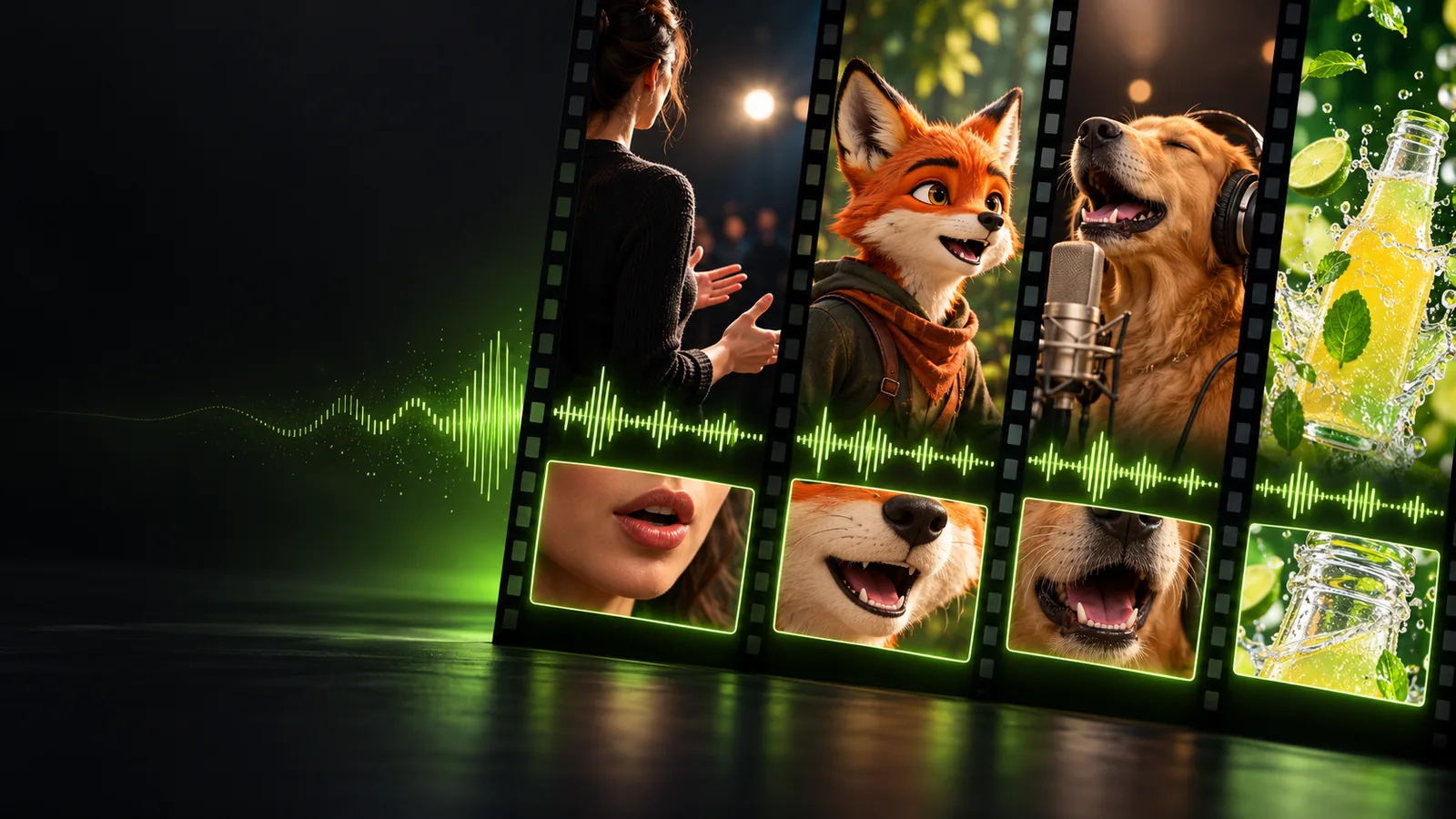
Start creating
Start creating