Workflow comparison
Find the best lip sync alternative for your workflow
This page explains lip-sync concepts. The linked Vidione home page offers paid talking-avatar generation from a script, person portrait, and voice; enter those on Vidione after signing in. It does not promise source-video dubbing, singing videos, or reference-motion control. Browser timeline editing does not require a subscription, but AI generation does.
A best lip sync alternative should earn its place by improving the parts that matter most: believable mouth movement, reliable timing, and control over the finished video.
Total cost table
Cost is more than the first tool or subscription. Compare the time spent preparing media, correcting sync, and exporting a usable result.
Where quality differs
Quality usually changes at the transitions between speech, facial movement, and source footage—not just in the final export.
-
1
Prepare the source
Use a clear face, intelligible speech, and footage with enough visible mouth movement to give the workflow useful information.
-
2
Check the difficult moments
Review plosives, pauses, fast syllables, profile angles, and expressions where mouth movement is easiest to misread.
-
3
Judge the whole performance
Compare natural expression, mouth shape, and continuity together instead of relying on a single close-up frame.
Where time differs
The faster-looking route is not always the faster route overall. Preparation and correction time can outweigh the first pass.
- 1 Two workflows to compare on the same source clip
- A/B
- 2 Core checks: quality, timing, and creative control
- 3
- 3 Final decision based on the finished result, not the first preview
- 1
When switching is worth it
Switch when the alternative removes a repeated bottleneck rather than simply offering another interface for the same problem.
- Current workflow
- Alternative workflow
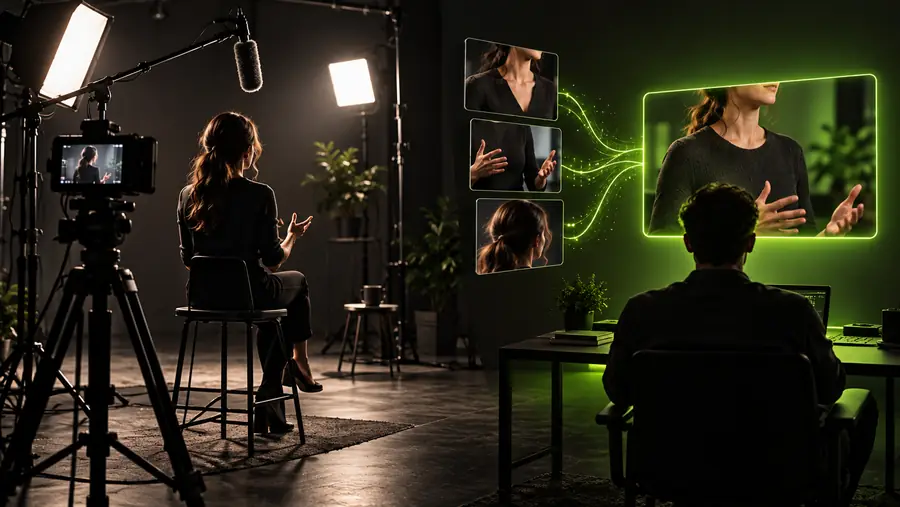
Compare the same clip, voice, and creative brief before deciding.
-
It cannot rescue unusable source media
A different workflow cannot reliably fix muffled speech, severe blur, a hidden mouth, or footage with almost no usable facial information.
WorkaroundImprove the source clip or choose a clearer shot before comparing outputs.
-
It cannot guarantee perfect phoneme timing
Fast delivery, overlapping sounds, accents, and expressive speech can still produce moments that need review.
WorkaroundInspect difficult syllables and make targeted corrections where the result feels unnatural.
-
It cannot decide your creative intent
No alternative can know whether a subtle, comic, exaggerated, or realistic performance is right for the scene.
WorkaroundSet the intended performance before judging which result is better.
-
It cannot make every workflow cheaper
A switch may reduce correction work in one project while adding setup or review time in another.
WorkaroundTest a representative clip and compare total effort, not only the entry step.
Switch only when the result improves
Bring the same source clip and creative goal to a side-by-side test. A practical alternative should make the final performance easier to approve, not just different to operate.
Open Vidione- Compare the finished performance
- Check timing at difficult syllables
- Keep the workflow that reduces rework
Comparison FAQ
These answers focus on the decision behind the query: whether another workflow is a better fit for the same lip sync project.
Look for improvements in mouth movement, speech timing, source compatibility, and the amount of correction required. The best choice depends on which part of your current workflow causes the most rework.
No. A different tool or process may perform better on one type of face, voice, or shot and worse on another. Compare the same source material and inspect the difficult moments before switching.
It can, but only if the new process reduces preparation, correction, or review work. Measure the complete path from source upload to approved result rather than comparing first-pass speed alone.
Not necessarily. Switching is worthwhile when the current process repeatedly creates visible timing problems, limits your creative control, or takes more correction time than the finished result justifies.